Our Practices
Cow-Calf Operation
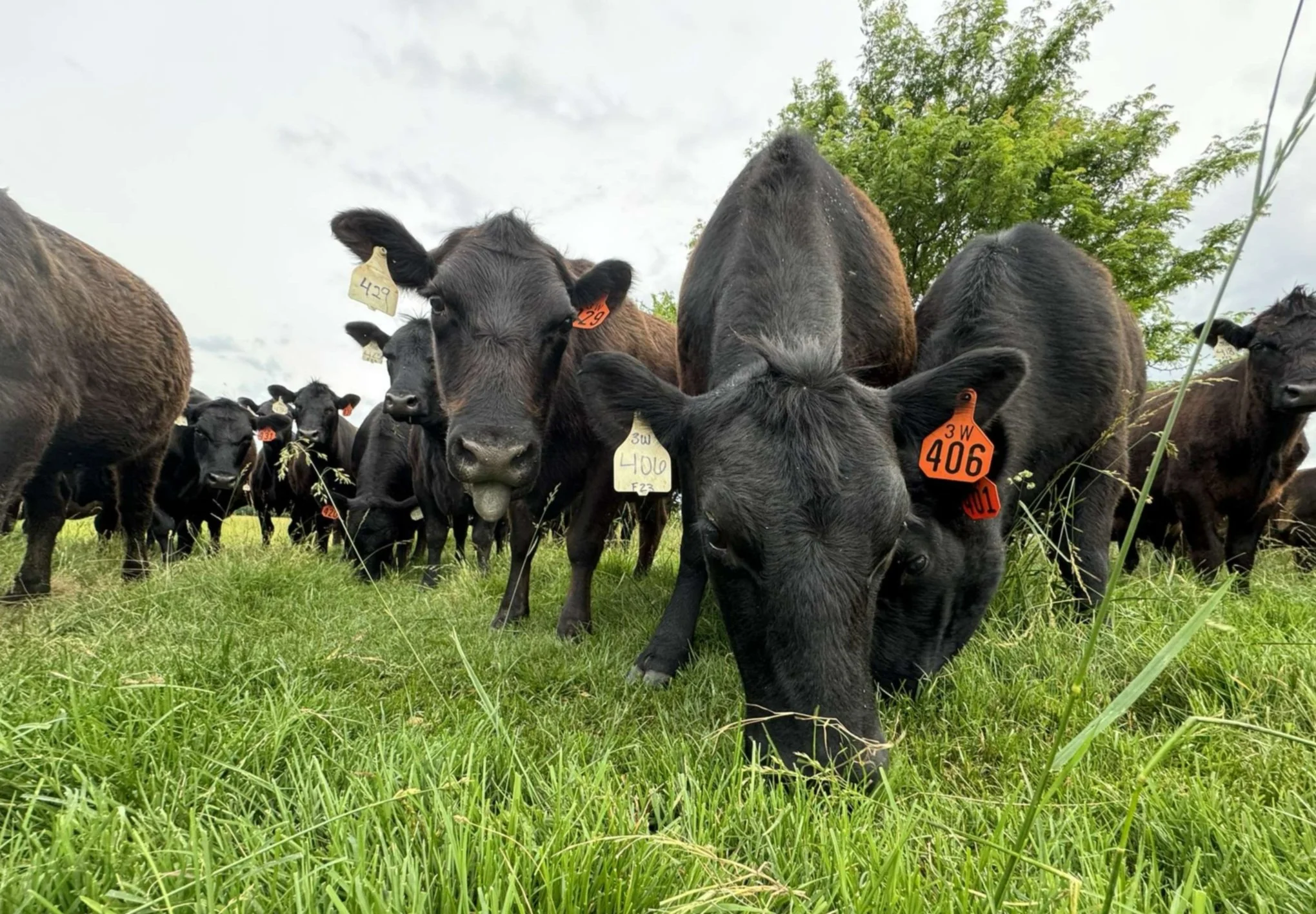
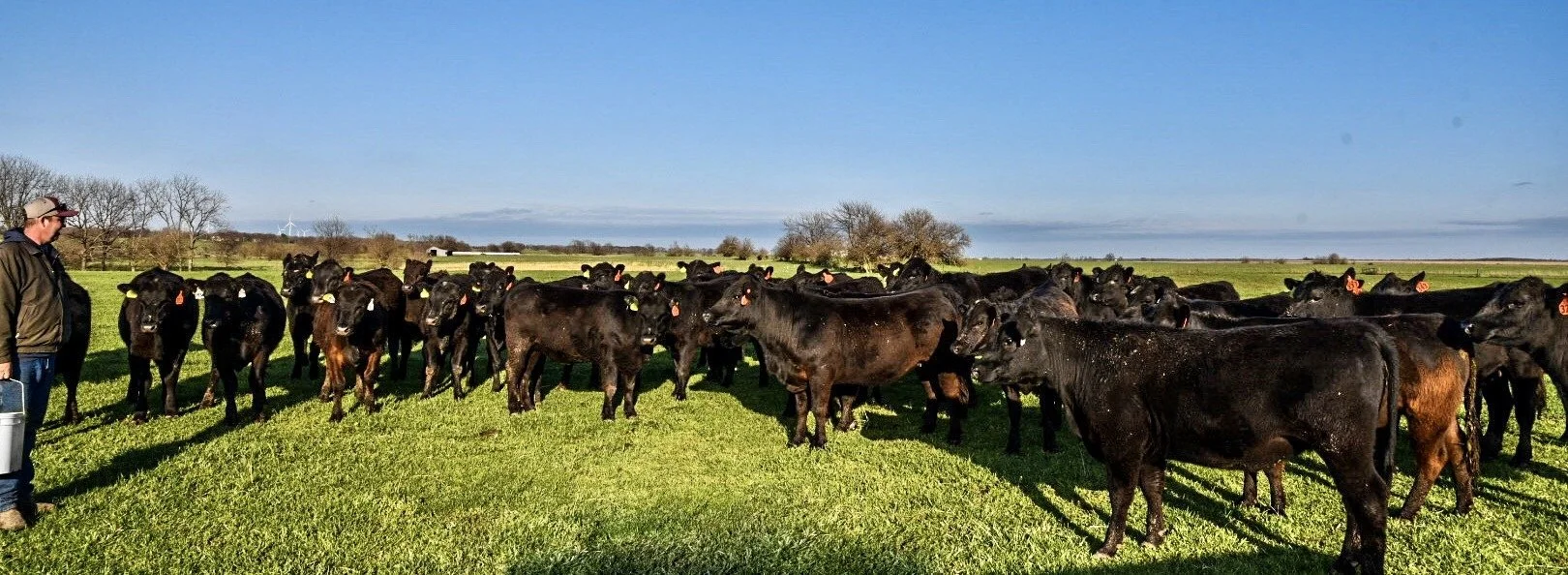
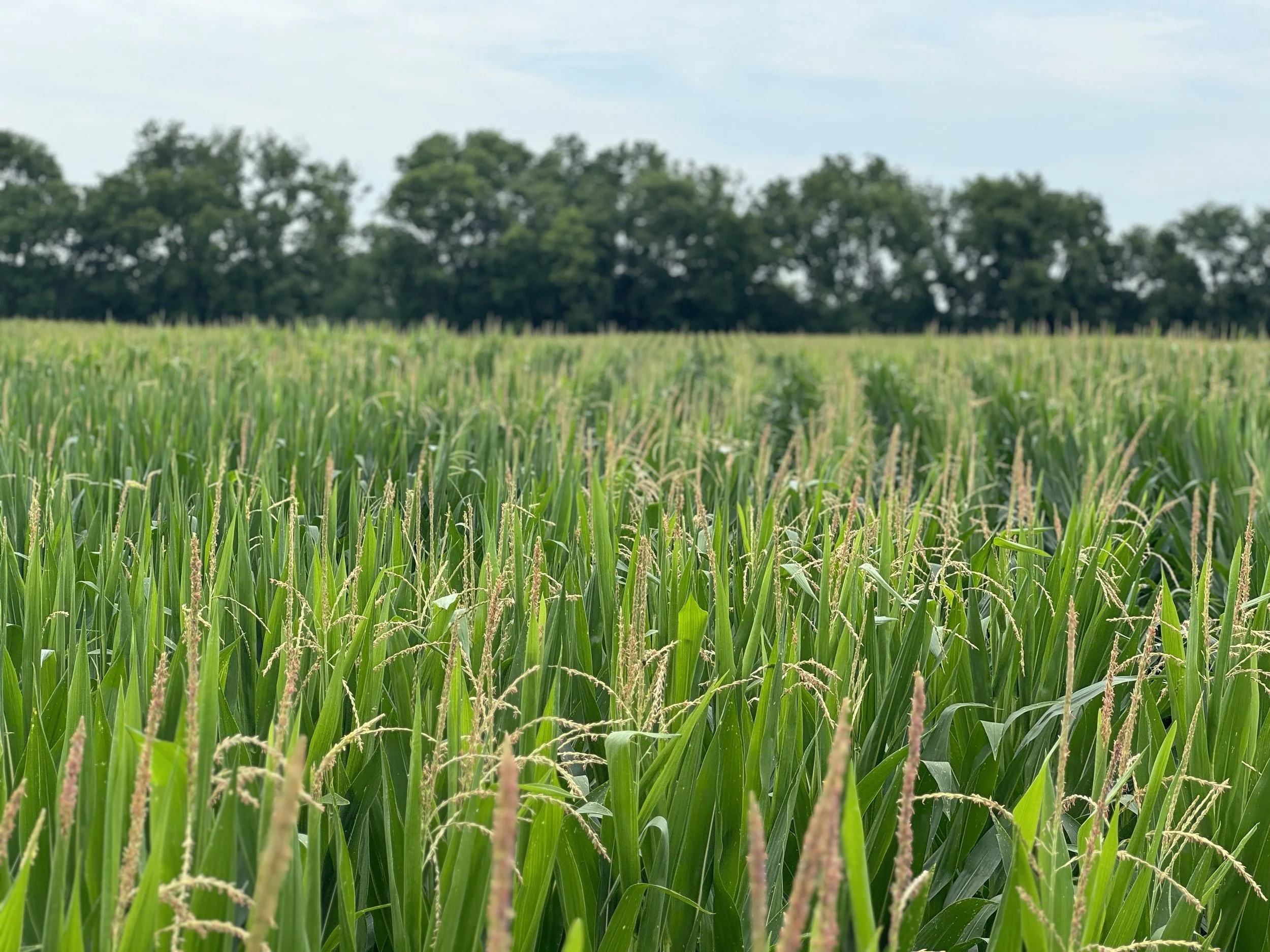
In our cow-calf operation, the sustainable practices we utilize to improve our environmental stewardship, animal welfare, and resource efficiency include Rotational Grazing, Nutrient management, Genetic Selection, Energy efficiency, Animal Welfare practices, and Carbon Sequestration. We systematically rotate the cattle through fields in order to allow the field to recover before it will be grazed again. We utilize the manure from our cattle by evenly distributing it across the fields to enhance the soils fertility wighout having to overload a single area, which can result in runoff and pollution.
We regularly soil test our crop fields and pastures to ensure we are applying nutrients appropriately. For several days we research new genetics we can acquire for the betterment of our herds, such as increasing feed efficiency, calving ease, and health/disease resistance. We utilize no-till practices when planting crops intended to feed our herds, resulting in a healthy soil structure, and reduction in erosion.
We have invested in equipment that has better fuel economy and installed LED lighting in the barns to reduce our overall energy consumption.
Throughout the generations of our family, we have learned how to handle cattle in ways that minimize stress, resulting in better weight gain and meat quality. The method we use to feed our cattle is pasture-based, meaning that we keep them out in the pasture as long as possible, with supplemental feedings. We have silvopasture systems, which is where we integrate trees within the pasture to enhance carbon storage, by providing shade, and improved biodiversity. We are members of the American Angus Association.
Our Crop Fields
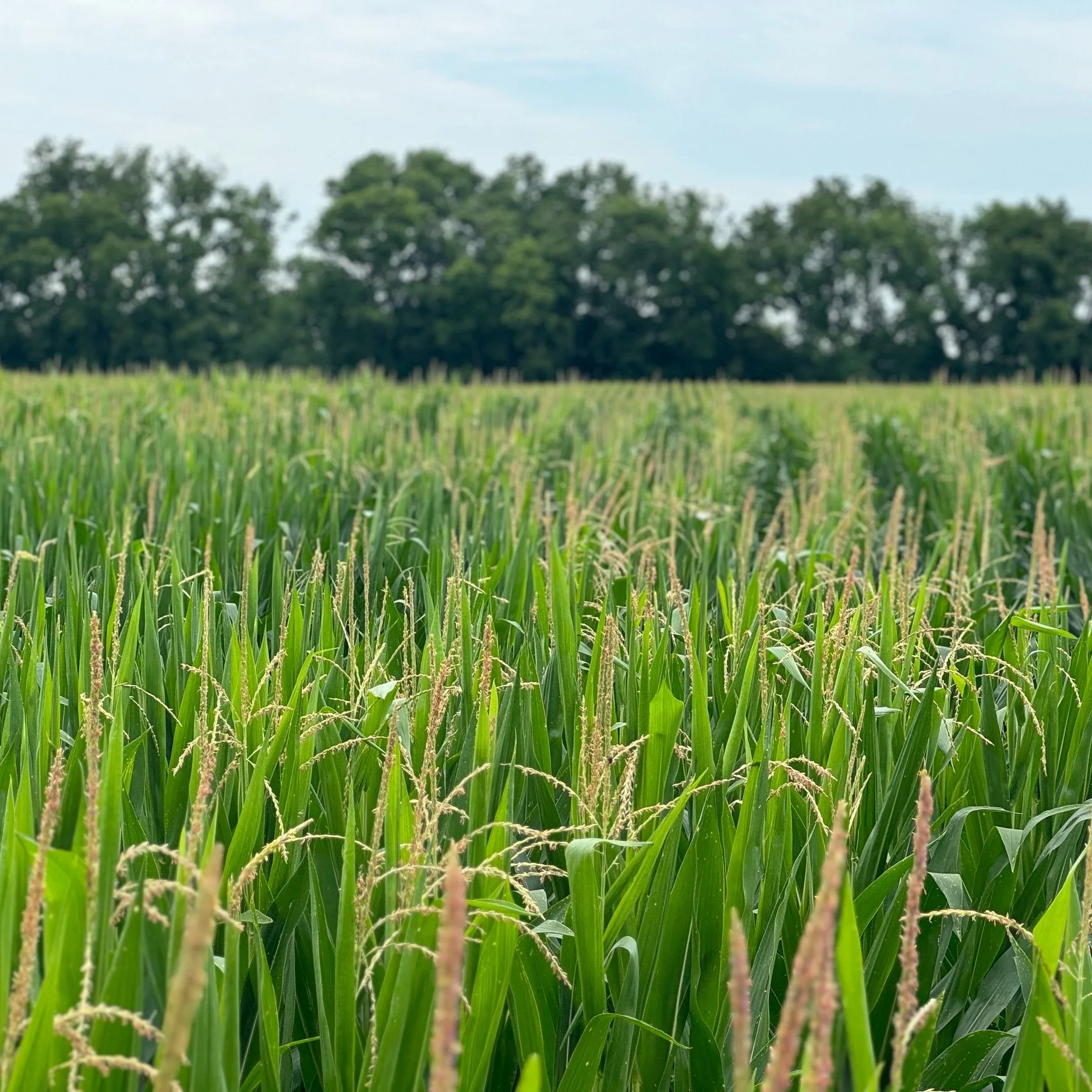
In our crop fields, the sustainable practices we utilize are crop rotation, no-till farming and reduced-till, GPS-guided equipment, integrated pest management, organic matter management, agroforestry, regular soil testing, and soil amendments. We rotate corn, soybeans, and wheat to reduce pests, stop disease cycles, and improve soil fertility. We use no-till farming most of the time to preserve the soil structure and reduce erosion, by drilling the seeds directly into the soil leaving the crop residue on the surface.
With the advancements in technology, we use GPS-guided equipment to apply fertilizer, plant crops, harvest crops, apply pesticides, and water where it is needed. By doing this we can reduce waste, lower costs, and minimize our impact on the environment. We regularly scout our fields to monitor for pests to know when it is time to utilize pesticides. We utilize compost made on and off of our farm to improve the soil’s organic matter, and to support beneficial organisms within the soil. We utilize the tree rows along our fields as windbreaks to reduce wind erosion and protect the crops. Every year we test the soil of our crop fields and pastures to monitor pH, nutrient levels, and organic matter. So that we can apply soil amendments to correct imbalances, and improve the overall health of the soil.
In the Garden
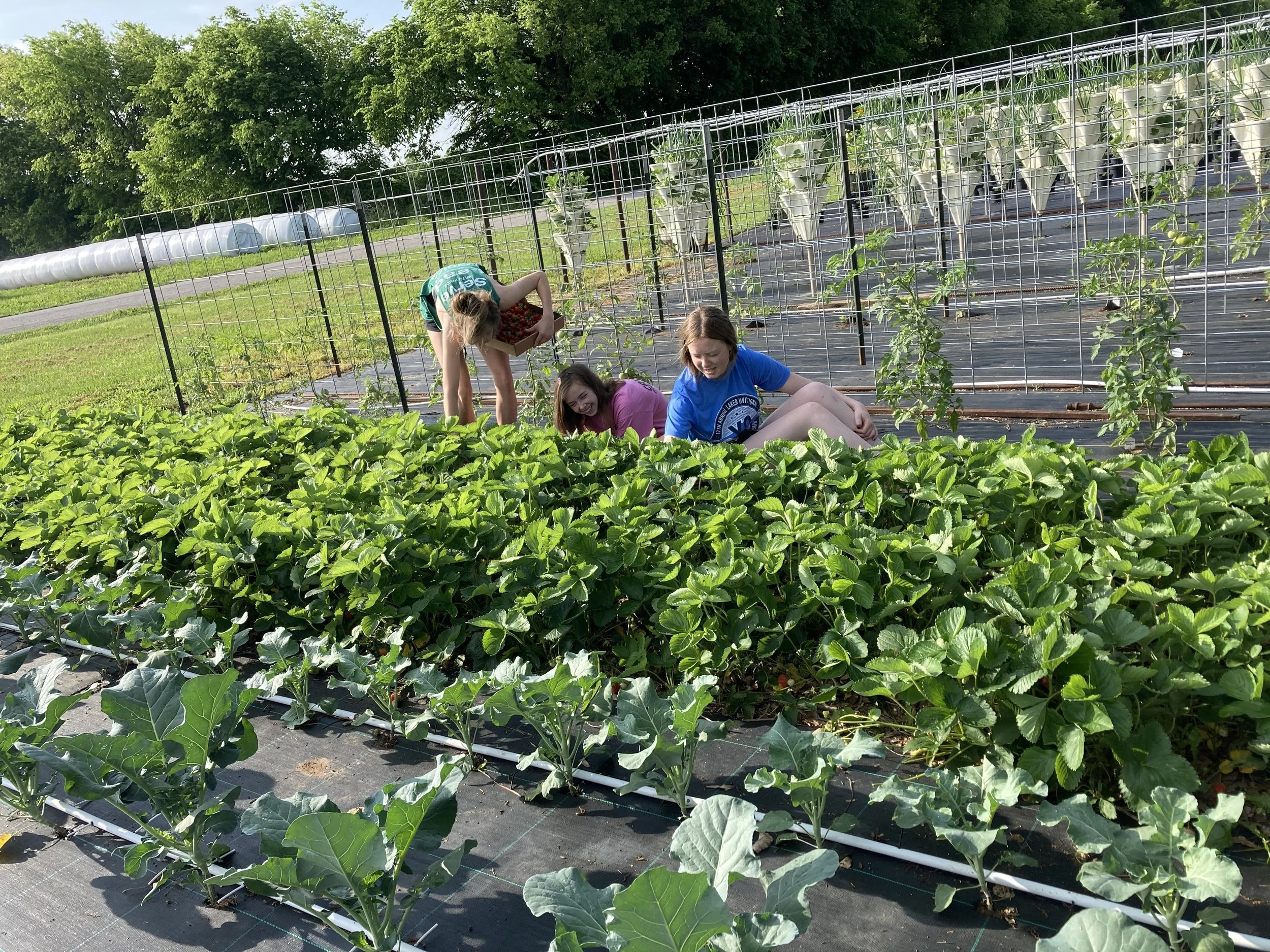
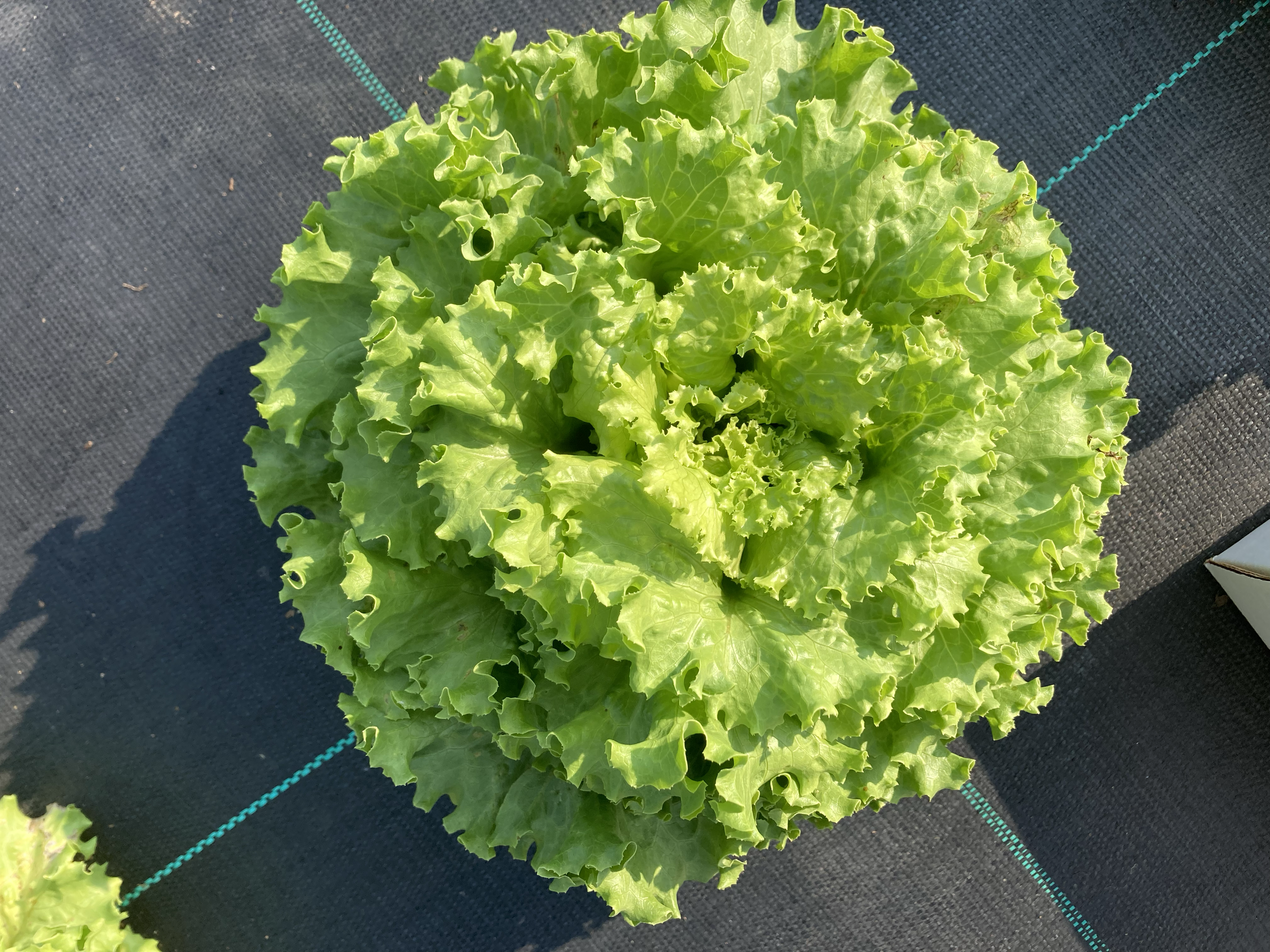
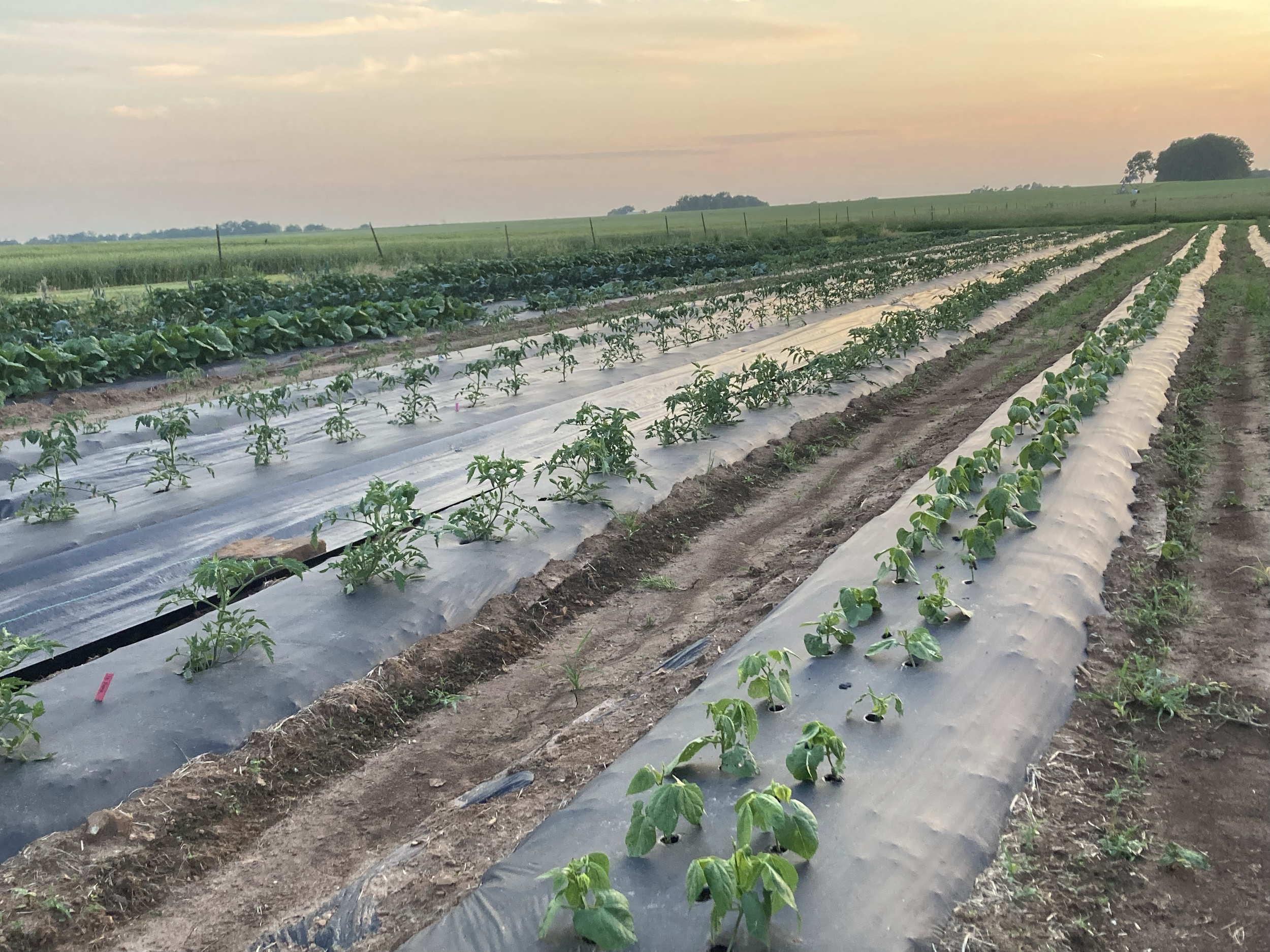
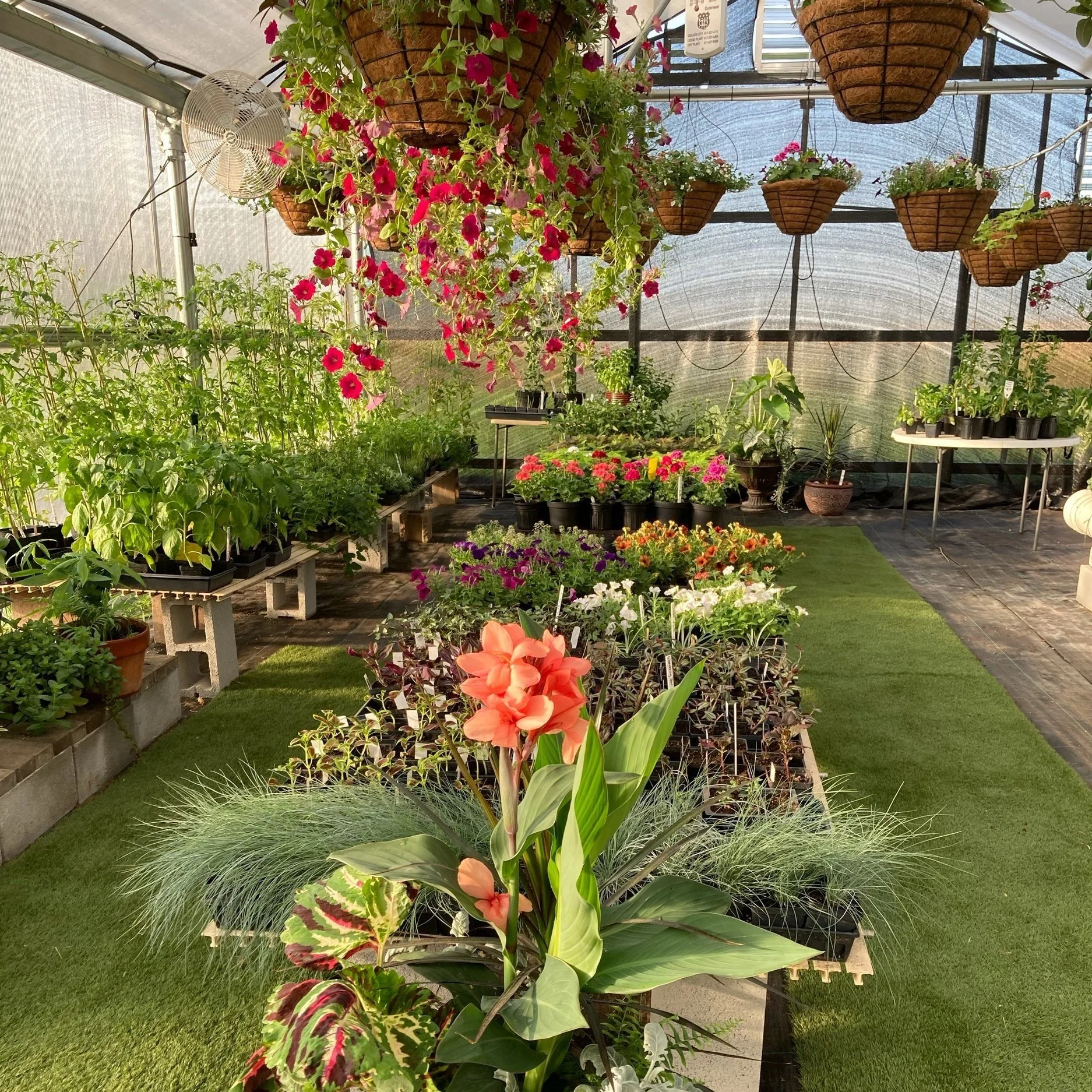
In the garden, we utilize practices of water conservation, integrated pest management, biodiversity, and season extension practices. Our garden utilizes drip irrigation that delivers water directly to the base of the plants, which minimizes evaporation and ensures efficiency. We utilize natural pesticides on our garden crops such as neem oil when necessary in order to avoid causing harm to beneficial organisms.
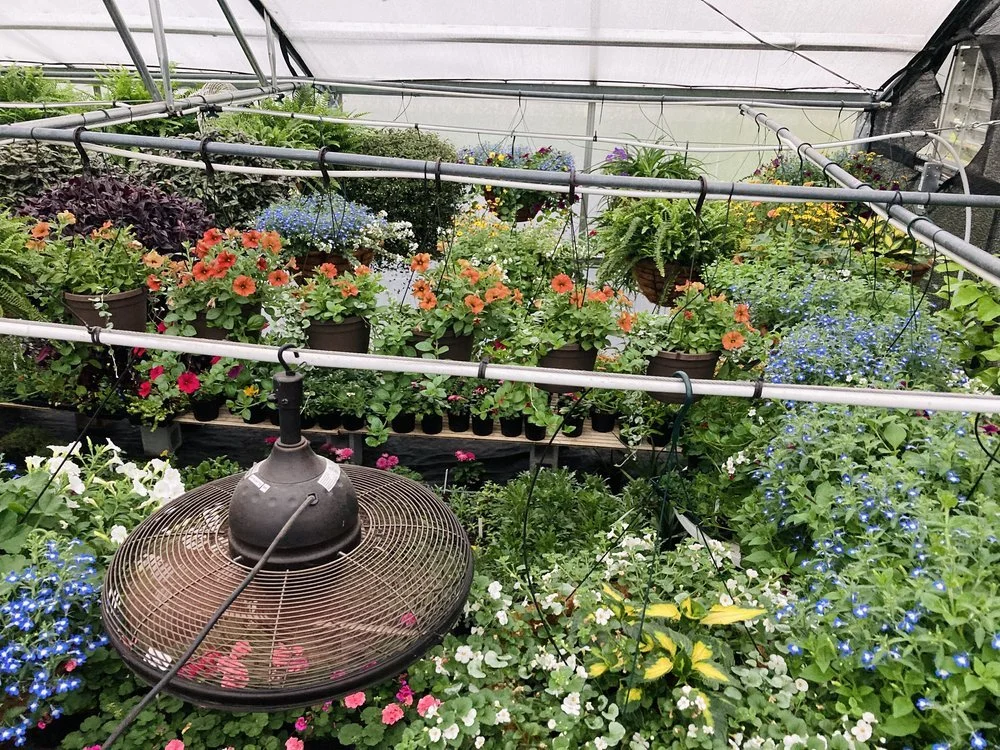
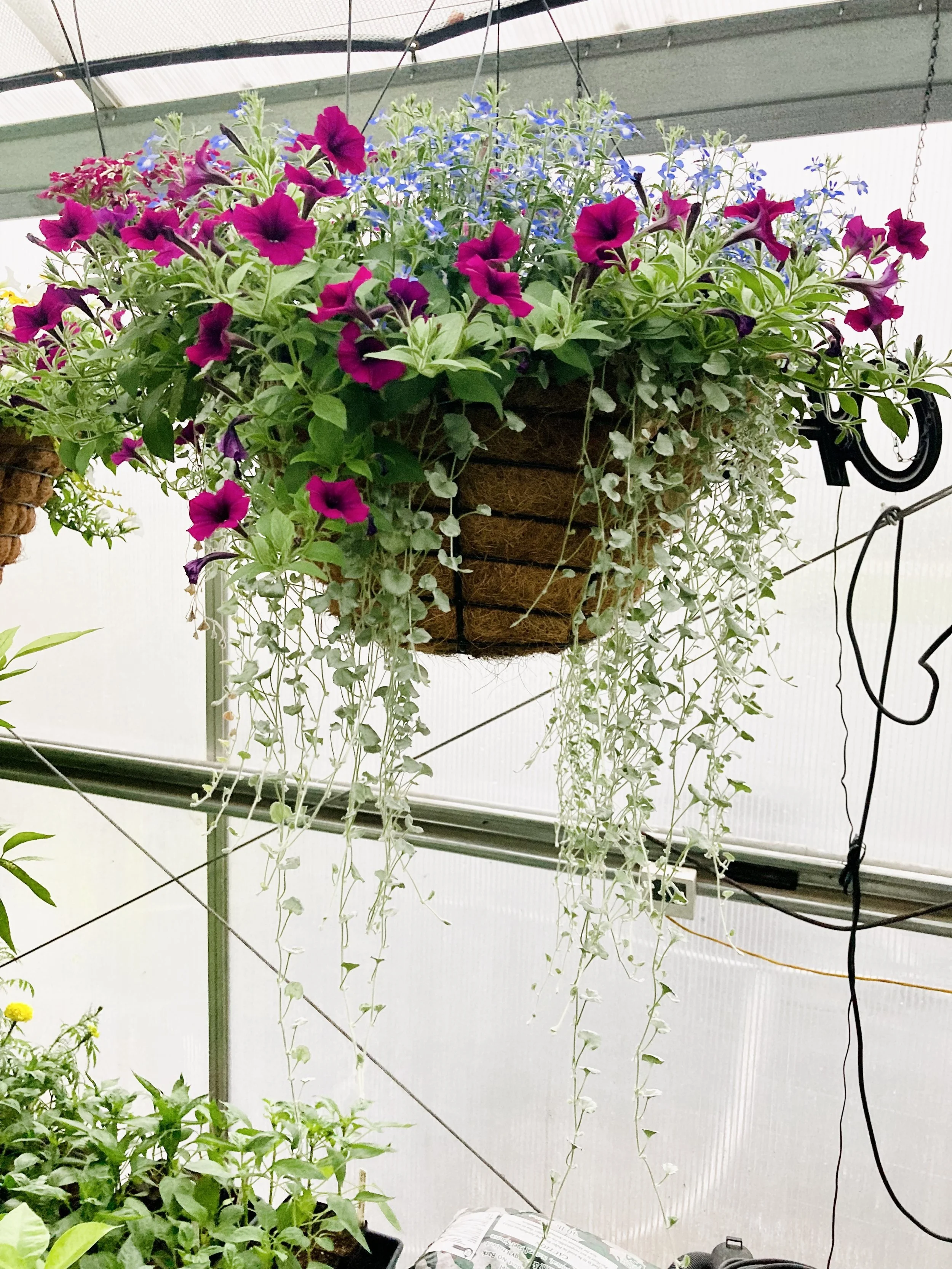
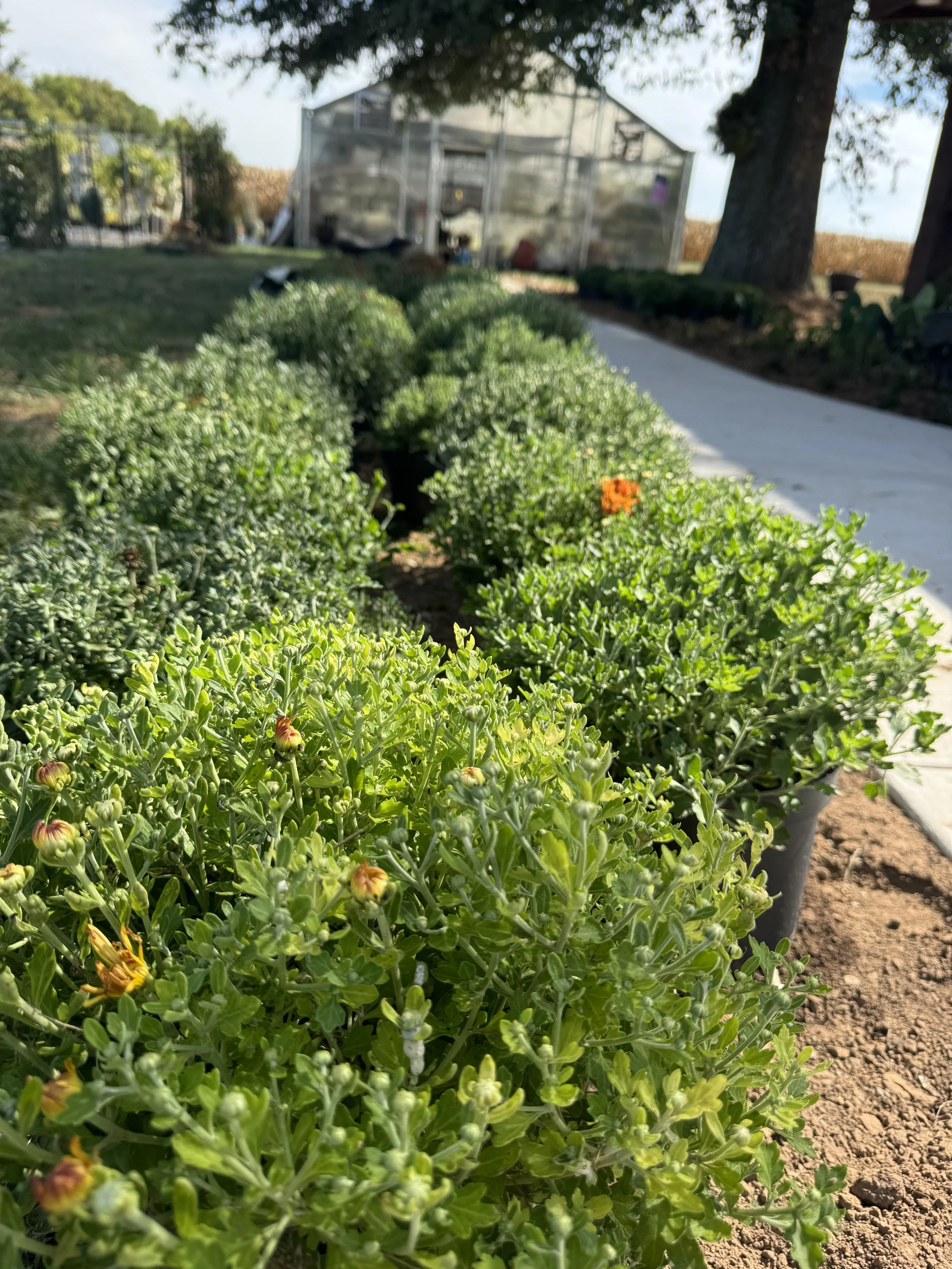
Within the garden, we grow a variety of plants to create a more resilient ecosystem in order to attract pollinators, deter pests, and improve the soil. To extend our season we utilize row covers to protect plants from frost and utilize successful planting. We are a licensed nursery.